
Washington, DC
Rowhouses, condos, and a market that changes block by block.
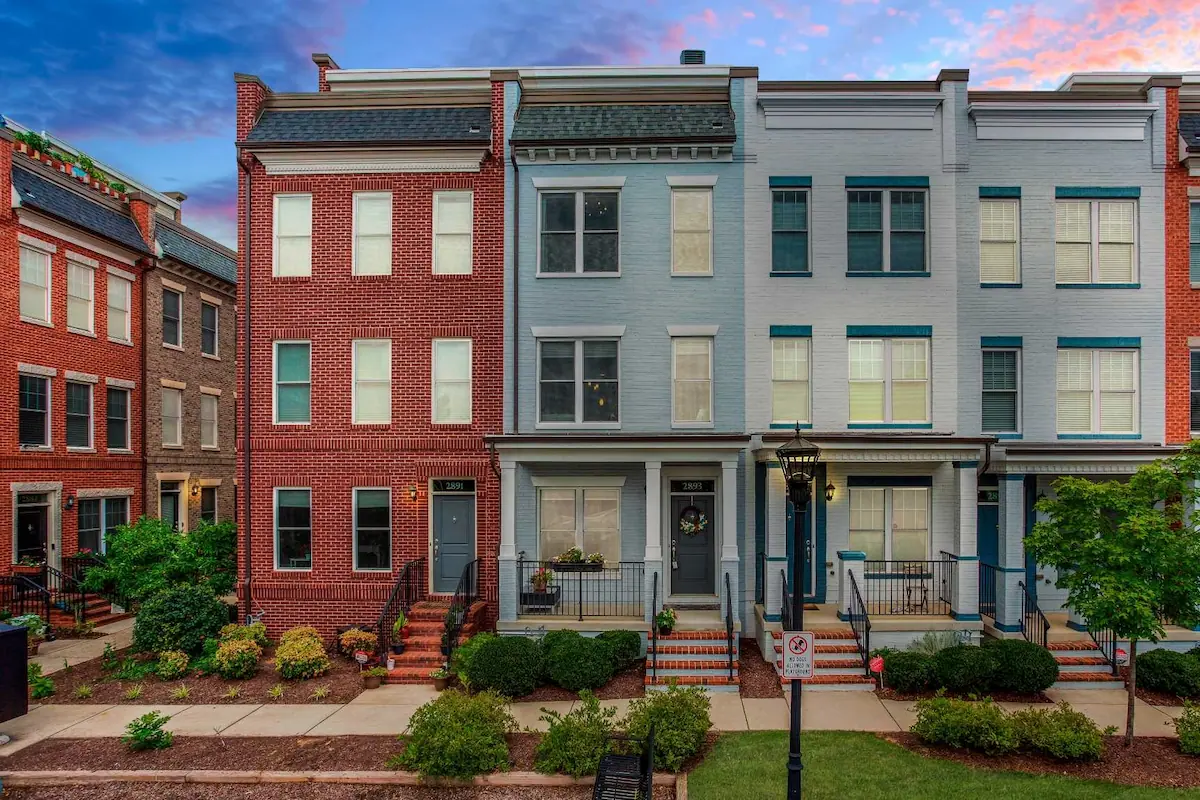
Capitol Hill and Georgetown rowhouses, 14th Street condos and the new waterfront, each its own small market.
- Typical value
- $567k
- Zillow Research, September 2026.
- Over the year to September
- −0.7%
- The change in the typical value. Zillow Research, September 2026.
- Median sale price
- $643k
- Zillow Research, August 2026.
- Homes Kevin sold here
- 23
- 23 of them on the track record map.
Updated October 22, 2026, with Zillow’s latest figures (through September).
Most homes in Washington, DC fall between $335k and $1.13M: the typical home in the lower-priced third and in the upper third.
The District is a different animal from the Virginia suburbs across the river: denser, older, and organized around neighborhoods rather than subdivisions. Capitol Hill and Georgetown rowhouses, the condos of Dupont, Logan, and the 14th Street corridor, and the newer waterfront around Navy Yard and The Wharf each behave like their own small market.
Kevin is licensed in DC and works it for clients moving between the city and the Northern Virginia suburbs, in either direction. The through-line is that a citywide number tells you almost nothing here; the block and the building are what set value.
What living in DC is actually like
This is Metro-and-walk living: Red, Blue, Orange, Green, and Yellow Lines, bikeshare, and a short reach to Reagan National. Daily life is neighborhood-scaled (the corner restaurant, the weekend market at Eastern Market or Dupont, the park and the row of stoops) far more than it is car-and-cul-de-sac.
Each quadrant and neighborhood carries its own character and its own range of prices. The District offers walkability, transit, and being in the middle of it, usually in exchange for square footage and a yard.
The DC housing market
The stock is mostly rowhouses, converted and purpose-built condos, and newer high-rise development along the waterfront, with condo-fee, historic-district, and parking realities a portal estimate never captures. Segments move on their own clocks: a renovated Hill rowhouse and an entry-level condo can be two different markets in the same week.
For sellers, DC rewards knowing exactly which buyer a home attracts and pricing to what that block actually sold for, not a District-wide headline.
What homes are worth
Home prices in Washington, DC.
Zillow’s home value index puts the typical home in Washington, DC at $567,289, in its figures through September 2026. The index estimates what a home in the middle of the market is worth rather than averaging the homes that happened to sell, so a month with few sales does not swing it.
The range says more than the middle. The typical home in the lower-priced third of Washington, DC is worth about $335k, and the typical home in the upper third about $1.13M, a spread of $794k. That spread is why one figure for Washington, DC tells an owner little about one street, and why a price starts from the homes nearby that sold.
The median sale price is the middle of what actually closed: in August 2026, half the homes that sold in Washington, DC went for more than $642,913 and half for less. That ran above the typical value. The median counts only the homes that sold that month, and which homes sell changes from month to month, so it moves more than the index does.
Over the year to September, the typical value in Washington, DC is down 0.7%, and down 10.2% over five years. For the typical home here, that is about $64k less than five years ago. Over the last three months it has been rising, up 0.6%.
For a seller, a rising typical value helps at the edges, but buyers still weigh a home against the sales nearest to it, so the price has to come from those sales, not from the index.
Source: Zillow Research, its home value index and sale prices. Figures for an area describe the area, not any one home.
Kevin’s sales in Washington, DC
23 homes sold in DC, and years of pricing homes here for lenders.
The ones with their figures on record:
- 2893 Chancellors Way NE, Washington: 104.4% of asking · 4 days on market · 6 offers · $35,100 over asking
- 1818 8th St NW, Washington: 101.8% of asking · 28 days on market · 4 offers · $14,100 over asking
Ask about a specific street; he will know it.
Book a 15-minute callNearby
Three guides close to DC.


Typical values from Zillow Research, September 2026, each with its change over the last year.
Local questions get local answers
Five that come up about DC.
What is the typical home value in Washington, DC?
The typical home in Washington, DC is worth $567,289 in Zillow’s latest home value index. Most homes there fall between $335k and $1.13M, from the typical home in the lower-priced third to the typical home in the upper third.
Are home prices in Washington, DC going up?
Slightly down, not up. The typical home value in Washington, DC is down 0.7% over the year, and down 10.2% over five years. Over the last three months it has been rising, up 0.6%.
When is the best time to sell a house in Washington, DC?
In the sale prices on record, homes in Washington, DC that closed from April through June sold for about 6% more than the year’s average, and homes that closed from December through February for about 5% less. To close in the stronger months, the months to list are March to May. The best time to sell a house in Washington, DC, month by month
How many homes has Kevin Bailey sold in Washington, DC?
Kevin has personally sold twenty-three homes in Washington, DC, counting only the homes he was the agent of record on. The two with their figures on record sold for 101.8% to 104.4% of asking.
What is the median sale price in Washington, DC?
In Zillow’s latest sale figures, half the homes that sold in Washington, DC went for more than $642,913 and half for less. That is above the typical home value, $567,289. The median counts only the homes that sold in one month, so it moves more than the typical value does.
Fifteen minutes on the phone.
No presentation, no pitch, nothing to sign. You describe the situation, I tell you what I’d do about it, and you decide from there whether there’s more to talk about.